Silver City
Cuttack
14 Blocks
373 Panchayats
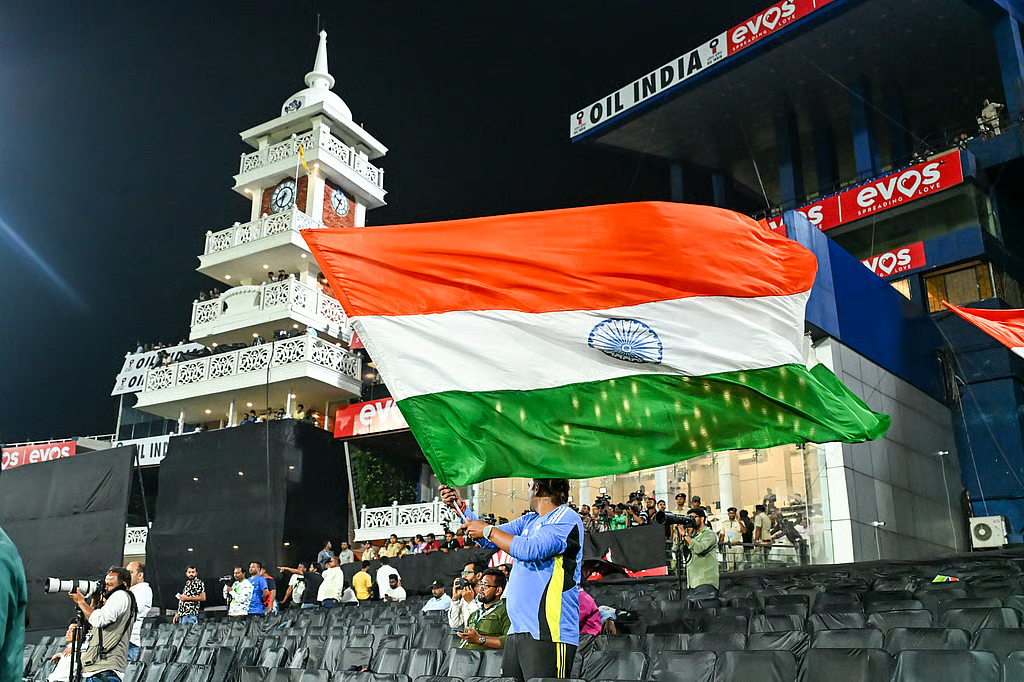
Known for Tara Kasi silver filigree, Dahibara Aloodum, Barabati Fort and the birthplace of Netaji Subhas Chandra Bose.
The coastal and riverine heartland of Odisha, known for ports, temples, mangroves, crafts, seafood, and maritime heritage.
Known for Tara Kasi silver filigree, Dahibara Aloodum, Barabati Fort and the birthplace of Netaji Subhas Chandra Bose.
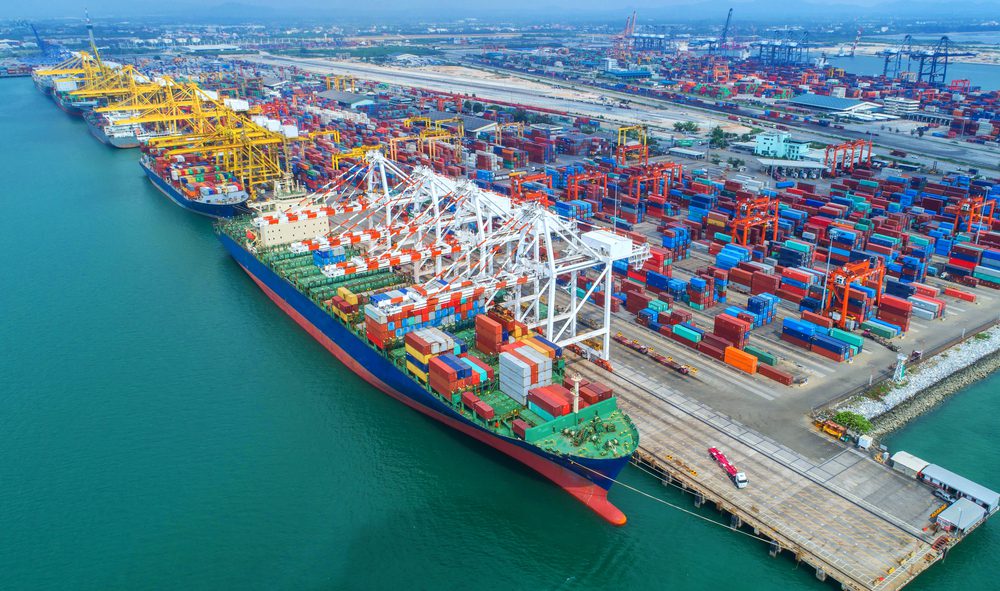
Home to Paradip Port, one of India's largest seaports and a major economic gateway of Odisha.

Famous for Bhitarkanika National Park, saltwater crocodiles, mangrove forests and eco-tourism.

Once the capital of ancient Odisha and famous for Biraja Temple, religious heritage and archaeological significance.

Famous for Bhadrakali Temple, maritime traditions, agriculture and coastal culture.

Known for Chandipur Beach, seafood, missile testing facilities and historical maritime trade.
The cultural and administrative heart of Odisha, known for ancient temples, sacred pilgrimages, historic movements, forests, industries, and rich traditions.

Home to Bhubaneswar, the capital of Odisha. Famous for Pahala Rasagola, Dhauli Peace Pagoda, ancient temples, educational institutions, and the historic Paika Rebellion.

World-famous for the Jagannath Temple and Rath Yatra. Known for golden beaches, Pattachitra paintings, sand art, Khaja, and rich religious heritage.

Known as the birthplace of Chhena Poda. The district is famous for forests, waterfalls, traditional rural culture, and scenic natural beauty.

Famous for Kapilash Temple, Bara Ghuguni, brass and bell-metal crafts, scenic hills, forests, and historical royal heritage.

One of Odisha's leading industrial districts. Known for coal mines, thermal power plants, Satkosia Gorge, wildlife, and eco-tourism.
Northern Odisha is known for dense forests, mineral wealth, tribal heritage, wildlife reserves, waterfalls, steel industries, and rich folk traditions.
Northern Odisha forms one of the most resource-rich and naturally diverse regions of the state. Home to the Similipal Biosphere Reserve, Khandadhar Waterfall, Rourkela Steel Plant, and extensive mineral reserves, the region plays a crucial role in Odisha's economy and ecology. The districts of Mayurbhanj, Keonjhar, Sundargarh, Deogarh, and Balasore showcase a unique blend of tribal culture, industrial development, wildlife conservation, coastal attractions, and historical heritage.

Home to Similipal National Park, Chhau Dance, Mudhi Mansa, and diverse tribal communities. It is one of Odisha's largest and most biodiverse districts.

Famous for iron ore reserves, Khandadhar Waterfall, Sanaghagara Falls, forests, and tribal traditions. It is one of India's important mining districts.

Known for Rourkela Steel Plant, hockey excellence, tribal culture, scenic forests, and industrial development in western-northern Odisha.

Famous for Pradhanpat Waterfall, green forests, eco-tourism destinations, and picturesque landscapes that attract nature lovers.
Known for Chandipur Beach, seafood culture, historical maritime trade, and India's missile testing facilities at Chandipur.
Western Odisha is renowned for its vibrant folk culture, historic kingdoms, handloom traditions, agriculture, waterfalls, dams, and unique festivals.
Western Odisha represents the cultural powerhouse of the state, preserving centuries-old folk traditions, handloom craftsmanship, tribal heritage, and agricultural prosperity. The region is home to the iconic Hirakud Dam, Sambalpuri textiles, the world-famous Dhanuyatra festival, ancient temples, scenic waterfalls, and rich forest landscapes. The districts of Sambalpur, Bargarh, Jharsuguda, Subarnapur, Nuapada, Kalahandi, and Boudh collectively showcase Odisha's rich blend of culture, economy, and natural beauty.

Famous for Sambalpuri Ikat handloom, Hirakud Dam, folk music, traditional festivals, and rich cultural heritage.

Internationally known for Dhanuyatra, the world's largest open-air theatre festival depicting the story of Lord Krishna.

Known as the Powerhouse of Odisha due to its thermal power plants, industries, and growing commercial importance.

Famous for traditional handloom weaving, ancient temples, and cultural heritage along the Mahanadi River.

Known for agriculture, traditional rural culture, forests, and its strategic location near Chhattisgarh.

Famous for Dokra metal craft, tribal heritage, ancient archaeological sites, and scenic natural beauty.

Known for ancient Buddhist sites, riverside landscapes, temples, and historical connections to Odisha's Buddhist past.
Southern Odisha is celebrated for its tribal heritage, majestic hills, waterfalls, coffee plantations, biodiversity, and rich indigenous cultures.
Southern Odisha is one of the most culturally diverse regions of the state, home to numerous tribal communities, breathtaking landscapes, ancient traditions, and unique agricultural practices. From the coffee plantations of Koraput and turmeric fields of Kandhamal to the tribal markets of Rayagada and the scenic reservoirs of Malkangiri, this region showcases Odisha's rich indigenous heritage and natural beauty. The districts of Ganjam, Gajapati, Koraput, Rayagada, Nabarangpur, Malkangiri, and Kandhamal contribute significantly to the state's cultural identity and eco-tourism.

Famous for Berhampur, handloom textiles, seafood cuisine, Rushikulya turtle nesting, and vibrant cultural traditions.

Known for tribal traditions, scenic hill ranges, ancient forts, and historical links with the Gajapati rulers of Odisha.

Famous for Koraput Coffee, Deomali Peak, Duduma Waterfall, tribal heritage, and organic farming practices.

Renowned for tribal communities, weekly tribal markets, handicrafts, scenic valleys, and rich indigenous traditions.

Known for agricultural productivity, tribal festivals, colorful traditions, and diverse indigenous communities.

Famous for Balimela Reservoir, tribal culture, dense forests, eco-tourism opportunities, and unique traditions.

Famous for GI-tagged Kandhamal Turmeric, coffee plantations, pine forests, waterfalls, and picturesque hill landscapes.